By Pitso Molemane
The Department of Health urges all South Africans to take personal responsibility for keeping themselves healthy. The Department stressed that neglecting your health, poses significant risks that can lead to chronic diseases and a reduced quality of life. Diabetes is one of the many chronic diseases one can develop if you do not live healthy. Millions of people worldwide are living with diabetes and the number continue to rise sharply. South Africa is among the countries reporting a fast-growing number of new diabetes cases every day. Many people approach diabetes advocacy group, Fighting Diabetes, to seek information on diet and changing lifestyles.
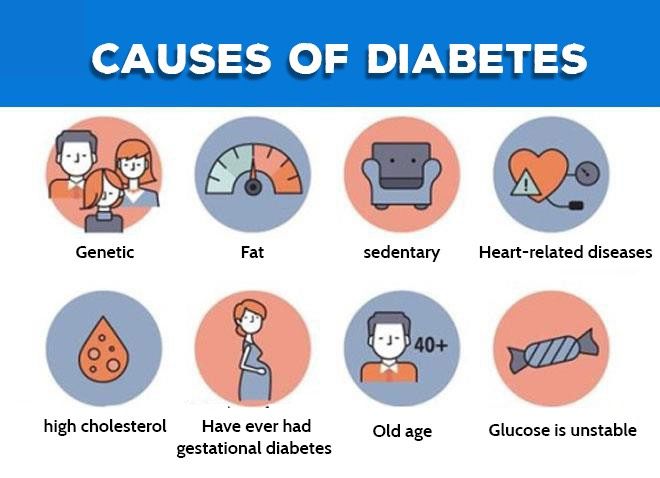
“Taking responsibility for your health, includes eating a healthy diet, low in sugar, salt and fat, moderate in fruit, fish, chicken and lean red meat and high in legumes and vegetables. South Africans should also be physically active, maintaining a healthy weight, and getting screened regularly for early signs of diabetes and other national communicable diseases (NCDs), said Foster Mohale, Spokesperson for the Department of Health. The increase in diabetes cases is primarily driven by a high number of people being obese or overweight, not eating nutritious foods, skipping meals, or over-consuming junk food, avoiding physical activity and exercising and lifestyle changes like consuming more processed foods and sugary drinks. These factors contribute to higher rates of type 2 diabetes, the most common form, which is linked to a combination of genetics and lifestyle choices. Common symptoms of diabetes include:
• Losing weight rapidly without trying.
• Overeating and continue to feel very hungry, even after eating.
• Feeling more thirsty than usual and excessive drinking of liquids, e.g water.
• Needing to urinate more often than usual, even during the night.
• Feeling tired which cannot be explained and lacking energy
• Having eye problems. vision becoming blurry.
• Slow-healing sores.
• Numbness or tingling in the hands or feet.
• Feeling irritable or experiencing other mood changes.
If you experience any of these symptoms or signs in your body, you should see a doctor to get checked for diabetes. Early diagnosis is very important for starting treatment sooner, and some types of diabetes may not have noticeable symptoms, making a doctor’s visit important for a blood test.
Being diagnosed with diabetes is not a cause for shame. Diabetes is not a death sentence. It is a disease which can be managed by tablets and self injecting insulin or both. With proper treatment to control blood sugar (glucose) levels in the body, people living with diabete can live long, healthy, and fulfilling lives. Managing diabetes effectively involves a combination of regularly checking and managing blood glucose levels, eating a balanced diet, exercising and taking medication (tablets or insulin) as prescribed by the doctors. Non-starchy and low-carbohydrate foods can help control blood sugar or glucose. After being diagnosed with diabetes, please consult with a doctor or dietitian before making significant dietary changes. “We want to reiterate that our health is our responsibility. The Department will continue its efforts to raise awareness, strengthen the health system, and work with all stakeholders to reduce the burden of diabetes and other NCDs in South Africa”, said Mohale.
• Molemane is a senior journalist at KayaFM. He understands diabetes deeply after living 40 years with the disease